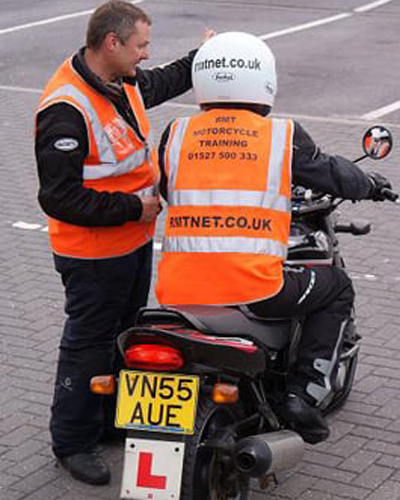
DVSA - DAS Assessment Training

Big-Bike Teaching Requires Structure, Not Guesswork.

The DAS assessment is viewed as the “easy” one. A quick, half-day formality that most instructors assume they can simply breeze through.

Yet around 40% still fail.

Your Investment: £799 | Duration: 2 Days

DVSA DAS Assessment Training

DAS Teaching Guide

DVSA DAS Assessment Training

Module 1 Plans

DVSA DAS Assessment Training

Module 2 Plans

DVSA DAS Assessment Training

Training Videos

DVSA DAS Assessment Training

Training Glossary

NB. If no dates are showing – Call us and we will open a date for you.

Is motorcycle insurance required if I use a training school motorcycle? 
Instructor Training Information

Why so many Instructors Fail

Most instructors fail because they underestimate the teaching standard required.

They treat DAS as a natural progression, a formality and not an assessment of professional instructional behaviour.

It’s testing your:

  • Ability to teach properly

  • Train at higher speeds

  • Give instruction in higher complexity scenarios

  • Manage the heightened risk

When power, speed, and consequences increase, DVSA assessors expect a higher level of structure, clarity, and educational delivery.

Why use a Training Provider like Us

The normal route is to pass the CBT assessment and then go and have a go at the DAS assessment. That’s why 40% FAIL their first attempt!

What Our Course Gives You to SUCCEED at DAS:

principle

Structure

DVSA DAS Assessment Training

Understanding

principle

Clarity

DVSA DAS Assessment Training

Confidence

problem

Education

DVSA DAS Assessment Training

Expertise

DVSA DAS Assessment Training

Development

Big-bike training demands more precision, more control, and better teaching.

Instructor Feedback

"This course didn’t just prepare me, it changed the way I teach. I realised DAS wasn’t easy, I just hadn’t been taught to teach properly."

"The mock assessment was a wake-up call. I walked in confident and walked out structured. Best instructor training I’ve ever done."

Who This Course Is For

This course is essential for:

  • Instructors preparing for their DVSA DAS Assessment
  • Trainers who have failed DAS previously
  • CBT instructors progressing to big-bike training
  • Instructors who feel nervous or unclear
  • Trainers struggling with structured Mod 1 or Mod 2 delivery
  • Those who have completed CBT Foundation or CBT Assessment training
  • Instructors who want higher earning potential and full licence teaching

If you want to deliver professional big-bike training and pass first time, this is the next step.

Mistakes You Must Avoid

There are some common pitfalls when it comes to delivering DAS lessons during the DVSA DAS assessment.

Instructors fall short because they:

  • ❌ Don’t understand DAS-specific DVSA expectations
  • ❌ Don’t know how to deliver DAS skills properly
  • ❌ Don’t have a clear teaching framework
  • ❌ Fail to manage risk at higher speeds
  • ❌ Don’t deliver purposeful Client Centred feedback
  • ❌ Struggle with higher-speed radio communication
  • ❌ Use improvised, habit-based teaching instead of structured methodology
  •  

Higher speeds mean higher expectations and examiners want to see elevated educational delivery, not CBT lessons.

Cost For Motorcycle Training

What You’ll Learn

This course gives you the exact teaching methods required to pass the DVSA DAS assessment confidently. During the course you’ll learn the following:

1

Understanding the DAS Assessment

  • The DAS marking criteria
  • What professional DAS teaching looks like
  • What triggers fails and how to avoid every pitfall
  • The behaviours examiners expect from higher-level instructors


This gives you clarity about the standard you must meet.

2

DAS Lesson Structure & Professional Delivery

  • How to plan DAS lessons properly
  • How to set clear objectives for the learner
  • How to adapt lessons based on performance
  • How to maintain safety and structure at higher speeds
 

This is what differentiates professional coaching from mediocre instruction.

3

Mastering the Three DAS Teaching Environments

Big bike familiarisation

  • Using the bike as a teaching prop
  • Positioning, control, observation, and test standard explanations

On-Site Training (Mod 1)

  • Mod 1 manoeuvres taught with structure
  • Coaching off-road manoeuvres

On-Road Training (Mod 2)

  • Controlling a student at higher speed
  • Deliver pro-active not re-active advice
  • Reducing risk by controlling training sessions


We teach you to educate, not just tell.

4

Risk Management at DAS Level

  • How to identify risk situations
  • When to intervene and when to allow learning
  • How to keep the learner safe without over-controlling
  • How to demonstrate clear professional judgement

This is one of the biggest areas examiners score.

5

Client-Centred Teaching at Higher Levels

  • How to tailor DAS training to each learner
  • How to apply open questioning effectively
  • How to build rider thinking and decision-making
  • How to deliver structured feedback

2-Day DAS Assessment Training

  • Assessment framework – Deep dive into syllabus
  • Mod 1 & Mod 2 teaching methods
  • Methodical training techniques required
  • On-site and on-road coaching structure
  • DAS lesson delivery – All lessons
  • Examiner-style mock assessment
  • Scoring report and development plan
  • Final preparation guidance

✓ Lifetime access to online DAS resources
✓ Mod 1 & 2 Lesson Plans
✓ Detailed Training Diagrams
✓ Diagram glossary
✓ Methods of Instruction guide
✓ Radio communication coaching
✓ Access to instructor support post course
✓ Delivered by qualified, experienced teacher qualified educators

This is structured, professional, high-quality training, not a rushed “go-have-a-go” approach.

RMT Motorcycle Training Adapt Lessons, Motorcycle Instructor Training, Motorcycle Instructor Training Course

The DAS Comparison

There is a big difference between big-bike education and the improvised “just ride and I’ll correct you on the radio” approach used across the industry.

Traditional DAS Training

  • “Follow me and copy what I do” – No structured delivery
  • Limited understanding of DAS learner risk
  • Instructor-centred delivery that lacks educational value

Our DAS Training

✓ Proper educational structure
✓ Clear Mod 1 & 2 teaching frameworks
✓ Risk-management coaching
✓ Client-centred teaching skills
✓ Professional, future-proof teaching behaviours


Any trainer who believes DAS is “easy” or “just a formality” will probably fail because examiners expect far more teaching skill with higher risk training.

FAQs

Do I need to be CBT-qualified first?
Yes. You must hold a DVSA CBT1C Instructor certificate and have teaching experience.
Are big bikes provided?

Yes they can be provided, the 650cc training motorcycles are supplied for training purposes. You can bring your own motorcycle for the road ride elements if you wish.

Is DAS harder than CBT?

It’s a totally different training programme. The assessment is shorter, but the teaching standard is higher.

Most failures happen because instructors underestimate it and are not fully prepared. 

What if I don’t feel ready after 2 days?

You’ll receive a personalised development plan and access to all DAS resources to continue your preparation.

This is not a quick fix to be ready, it will highlight areas you need to develop in order to train to a higher standard.

Take the Next Step

DAS is not a formality. It’s the assessment that proves you can teach safely, professionally, on a larger machine at higher speeds.

We give you the structure, clarity, and teaching skill examiners expect to see.